
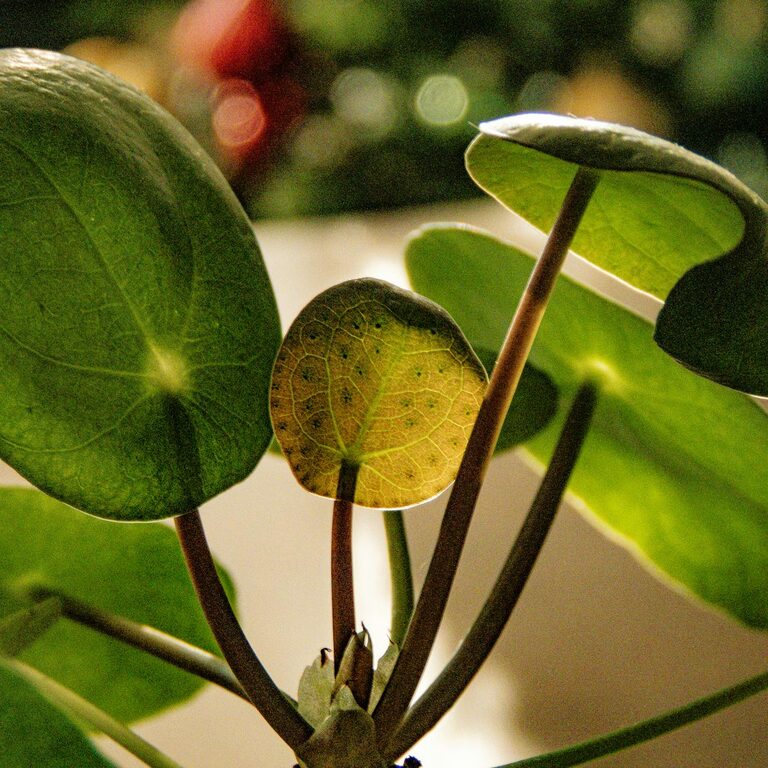
Growing a small herb garden indoors is a rewarding way to add fresh flavors to your cooking and brighten up your living space. Whether you have a sunny windowsill or a small kitchen corner, starting your own herb garden is easier than you might think. In this guide, we’ll walk you through everything you need to know to begin your indoor herb garden journey.
Why Grow Herbs Indoors?
Indoor herb gardening comes with many benefits. Fresh herbs like basil, parsley, and thyme add vibrant taste to meals without a trip to the store. Growing herbs indoors also ensures you have a steady supply year-round, regardless of the season. Plus, caring for plants can be a relaxing hobby that improves air quality and adds a touch of nature to your home.
Choosing the Right Herbs for Indoor Gardening
Some herbs are better suited to indoor growing than others. When selecting herbs, consider:
– Light requirements: Most herbs need at least 4-6 hours of sunlight daily.
– Growth habits: Compact herbs work well in small spaces.
– Usage: Pick herbs you frequently cook with or enjoy using fresh.
Popular Herbs for Indoor Gardens
– Basil: Loves sunny spots, great for Italian dishes.
– Parsley: Easy to grow, perfect as a garnish or for flavor.
– Chives: Minimal space needed, strong onion flavor.
– Mint: Grows quickly but can spread, keep in separate pots.
– Thyme: Slow growing, fragrant, good for seasoning meats.
Selecting Containers and Soil
Containers
Choose pots with good drainage holes to prevent waterlogging, which can harm root systems. Containers can be:
– Ceramic pots
– Plastic pots
– Recycled containers (make sure to add drainage holes)
Make sure pots are big enough to allow roots to spread comfortably — roughly 4-6 inches deep is good for most herbs.
Soil
Use a high-quality potting mix designed for indoor plants, ideally one that offers good drainage and aeration. Avoid using garden soil, as it can be heavy and may contain pests.
Finding the Best Spot for Your Herb Garden
Herbs need a minimum of 4-6 hours of natural sunlight. The best indoor spots usually are:
– South or west-facing windowsills
– Bright kitchens with ample light
– Under grow lights if natural light is insufficient
If sunlight is limited, consider investing in affordable LED grow lights to supplement light.
Planting Your Herb Garden
Starting from Seeds or Seedlings
– Seeds: Starting herbs from seed can be rewarding but requires patience. Follow specific seed packet instructions on depth and spacing.
– Seedlings: Buying young plants from a nursery can be a quicker way to get started.
Planting Tips
- Fill your pot with potting mix, leaving about an inch space at the top.
- If planting seeds, sprinkle lightly on soil and cover as directed.
- For seedlings, gently transplant, firm soil around roots.
- Water lightly but thoroughly to settle soil.
Caring for Your Indoor Herb Garden
Watering
Indoor herbs generally need consistent moisture but should not sit in soggy soil. Water when the top inch of soil feels dry. Use a moisture meter if unsure.
Light
Rotate pots every few days so all sides get equal sunlight and the plants grow evenly.
Feeding
Use a balanced, water-soluble fertilizer once a month during growing season to promote healthy growth.
Pruning and Harvesting
Regular harvesting encourages bushy, healthy plants. Trim the tips of stems, avoiding removing more than one-third of the plant at a time.
Managing Common Issues
– Pests: Watch for aphids or spider mites. Wipe leaves with a damp cloth or use insecticidal soap if needed.
– Yellow leaves: Often caused by overwatering or insufficient light.
– Leggy growth: Means the plant is stretching for light; add supplemental lighting.
Tips for Success
– Label your herb pots to keep track of varieties.
– Group herbs with similar light and water needs together.
– Repot herbs that outgrow their containers.
– Keep herbs away from cold drafts or heat vents.
Conclusion
Starting a small indoor herb garden is a fun and practical project that can enhance your cooking and home environment. With the right spot, containers, and care, you’ll enjoy fresh herbs right on your windowsill all year long. Give it a try and watch your green space—and kitchen flavors—grow!